Happy Thursday ♥
Today’s Happy Quote
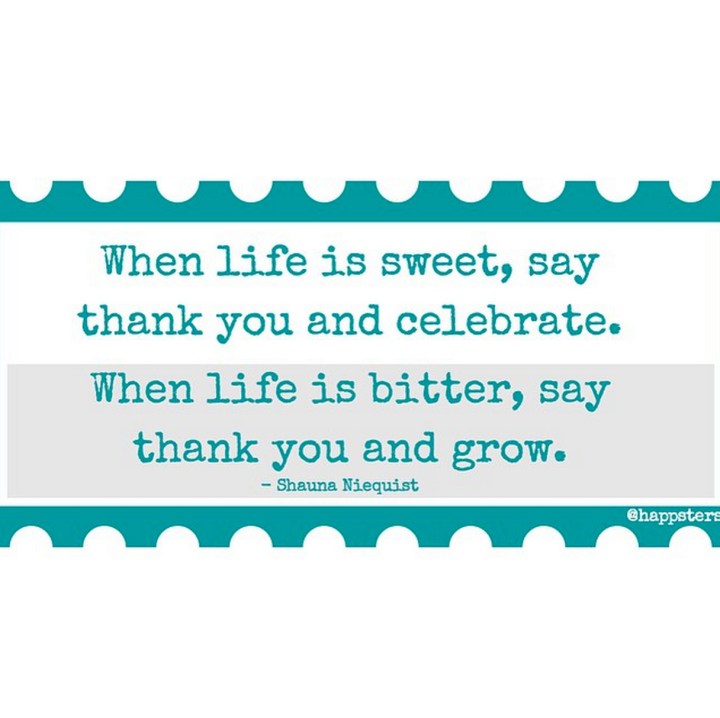
“When life is sweet, say thank you and celebrate. When life is bitter, say thank you and grow.” – Shauna Niequist
Happy Thursday ♥
“When life is sweet, say thank you and celebrate. When life is bitter, say thank you and grow.” – Shauna Niequist
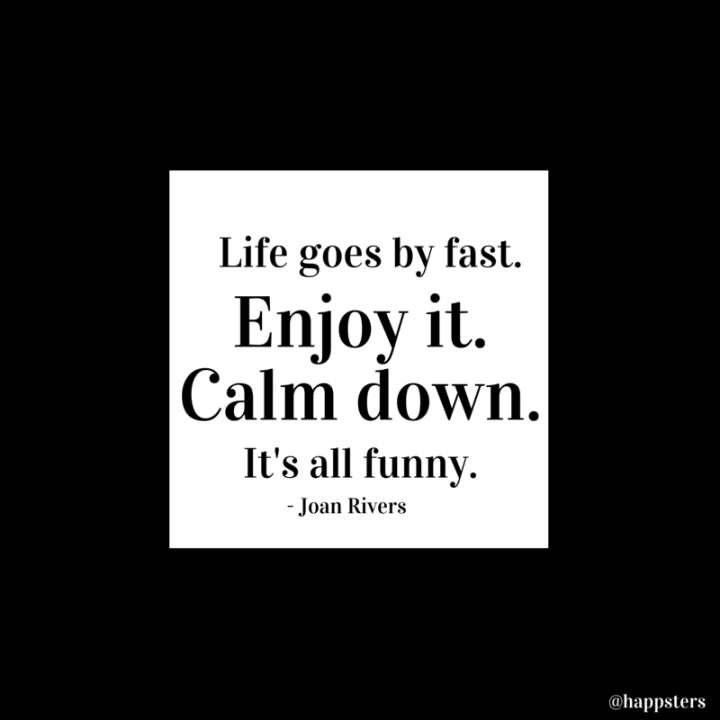
One of my all-time favorite quotes from Joan Rivers. Have a great Tuesday!
“Life goes by fast. Enjoy it. Calm down. It’s all funny.” – Joan Rivers
Happy Saturday! How are you spending your weekend?
“How we spend our days, is of course, how we spend our lives.” – Annie Dillard

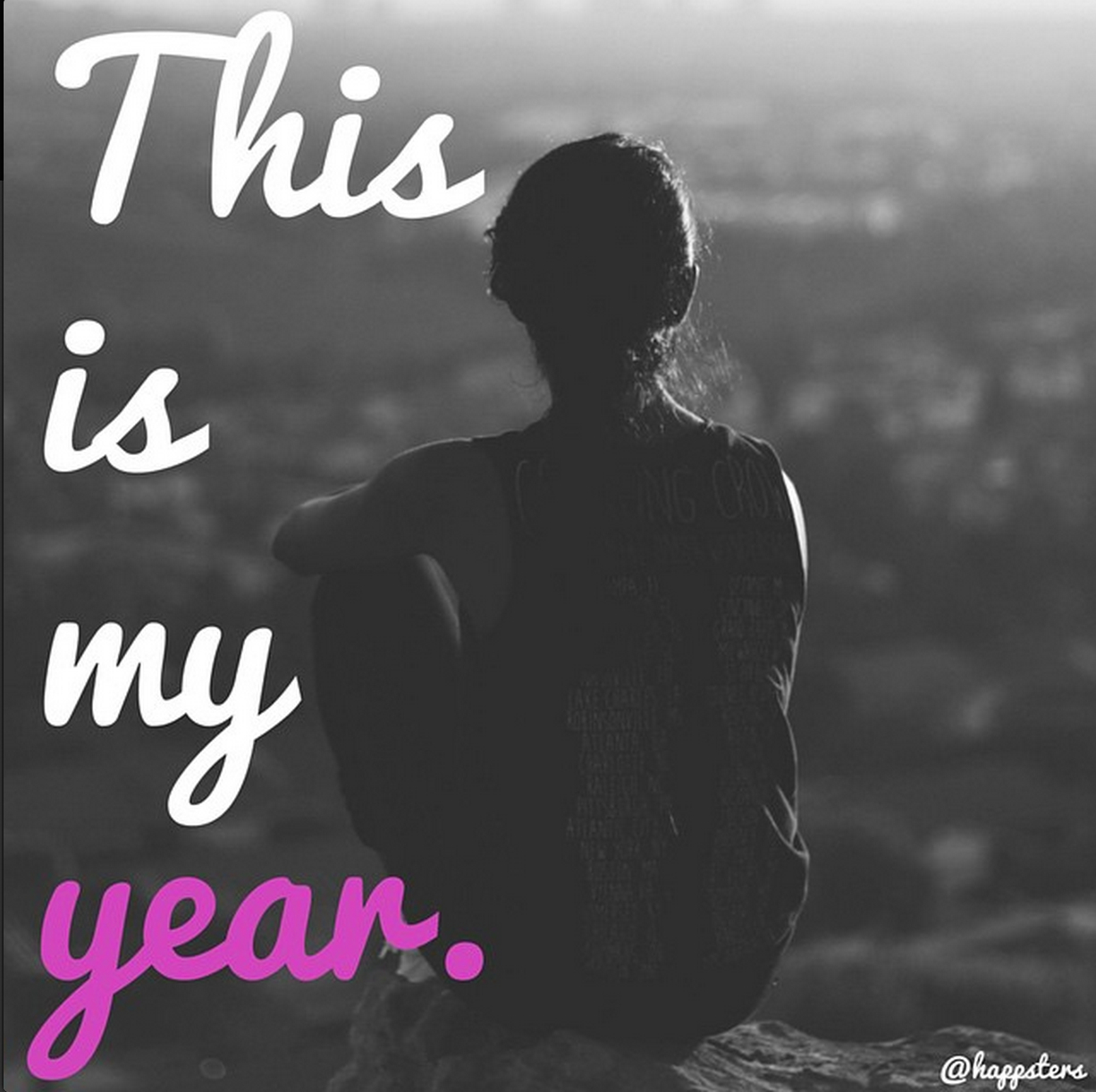
Declare 2015 as your year and beautiful magic will happen ♥
“This is my year.”
Happy Monday! Send this to a friend who has the kind of beauty described below.
No beauty shines brighter than that of a good heart.
♥Dwell on the beauty ♥
“I don’t think of all the misery, but of the beauty that still remains.” – Anne Frank
Are you noticing the miracles?
“There are only two ways to live your life. One is as though nothing is a miracle. The other is as though everything is a miracle.” – Albert Einstein
Reminder for today: Let it be. ♥
“The key to happiness is to let every situation be what it is instead of what you think it should be.” – Mandy Hale
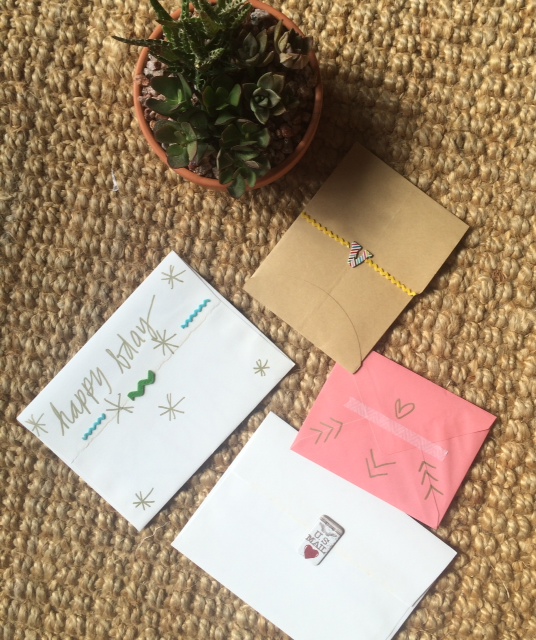
A few weeks ago I stumbled upon a website called “More Love Letters“. The title intrigued me and when I dug deeper into what it was, I was sold. The concept? To leave letters of encouragement throughout your community and mail letters to strangers who send in love letter requests. You can visit this page on their site to find requests from people who need a little cheering up. They give their story and an address where you can send them a note.
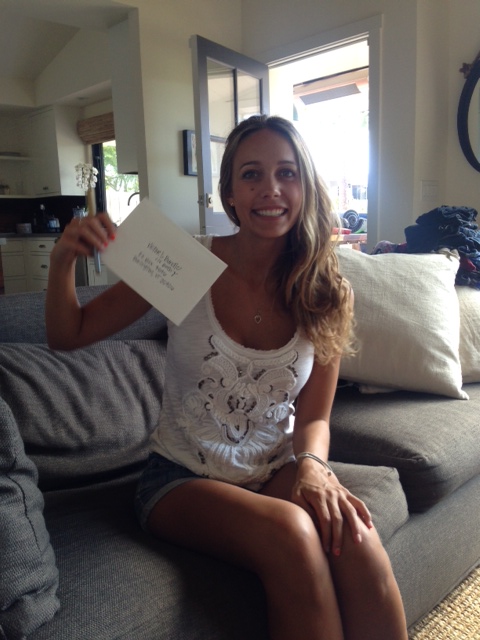
So I decided I had to send some out and called one of my favorite blogger babes, London to do it with me!
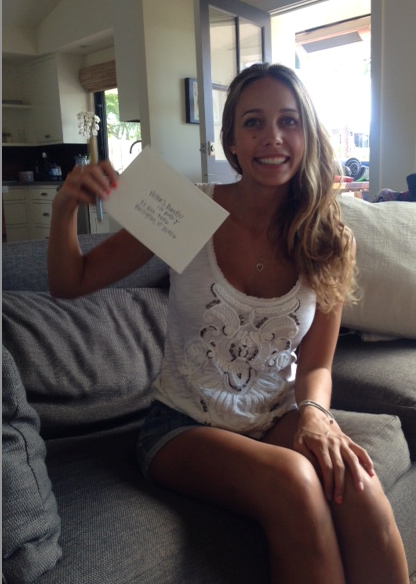
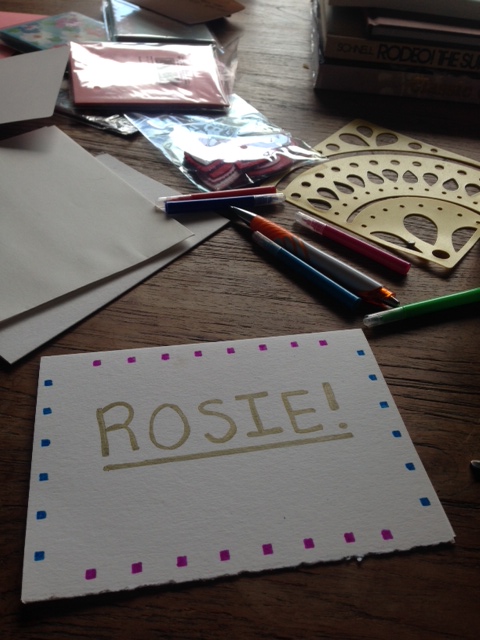
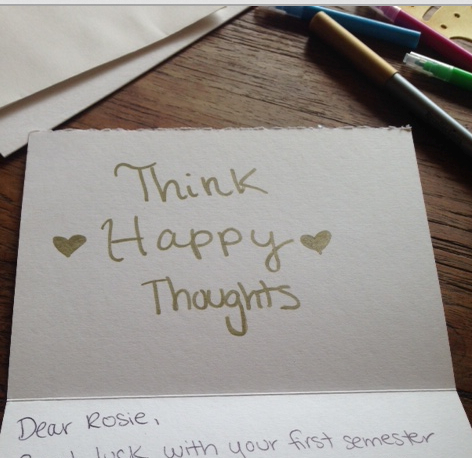
We wrote to Rosie, who is just going off to college and broke her arm right before leaving. Three weeks in a cast, but I know she’ll bounce back!
And we sent notes to Victor, whose friend wrote in asking for us to make his birthday extra special by sending in a fun card.
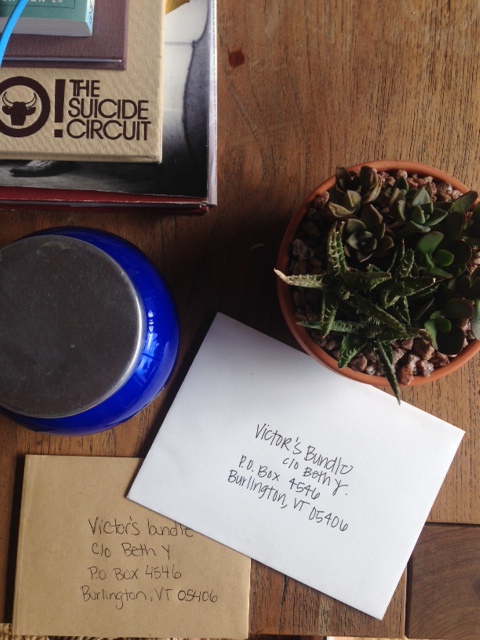
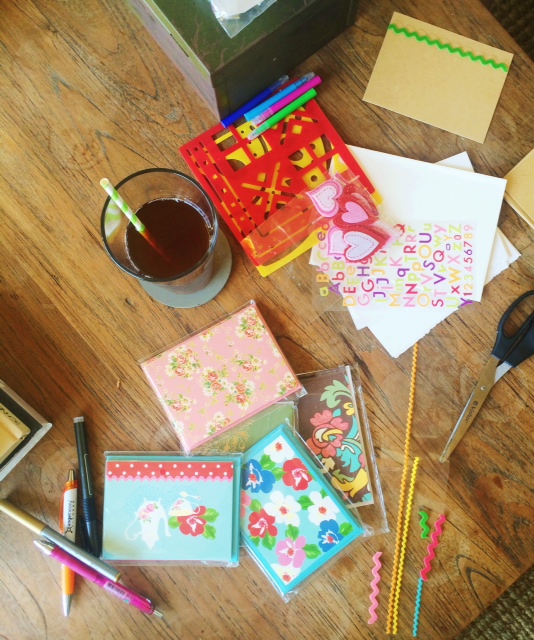
We had lots of fun writing these cards and I can’t wait to mail them out. Hopefully it brightens their days a little bit. My challenge for you this week: Grab a friend, pick up some stationary and write some love letters to strangers!
P.S. While I’ll be updating the Happsters blog a little less frequently, I’m still very active on Instagram, where you can get daily Happsters inspiration.
Today I am thrilled to welcome Dr. Timothy Sharp, better known as Dr. Happy!

I was fortunate enough to be able to interview him on his thoughts regarding happiness and positive psychology. Below are his answers. Enjoy!
My background is in clinical psychology and specifically, in Cognitive Behaviour Therapy. I completed an undergraduate Bachelor of Science degree with Honours in Psychology, then a Clinical Masters Degree and then finally, a PhD. So I started off specialising in stress, depression and misery before I’d even heard about happiness!
I worked in and thoroughly enjoyed my career as a therapist for many years but then when I discovered positive psychology (some time around 1999 or 2000), it was like a life changing epiphany; it was literally as though a light went on and I had to follow the light!
So for the last 15 years I’ve dedicated my life and my work to promoting the principles of positive psychology.
The simple answer is that Positive Psychology is “the science of happiness”. But more accurately, it’s the science of thriving and flourishing because living our best lives involves more than just experiencing positive emotions such as happiness. Positive emotions are very important and valuable but to thrive and flourish, to be our very best, the positive psychology research also points to the importance of engaging fully with our strengths and with the world, building and fostering positive relationships, creating meaning and purpose in all we do, and setting and working towards meaningful goals for us and those around us. In addition, it’s important to take care of our physical health by eating well, exercising and ensuring adequate sleep and rest.
Like most people it was always something I was interested in but as a clinical psychologist it just wasn’t, unfortunately, something we focused much on. Thankfully, positive psychology came along and set out to redress the imbalance. In some ways what Positive Psychology was saying is that for too long we’ve focused on what’s wrong with people and with life but what if we were to focus on what’s right? Accordingly, I began to focus much more on strengths and successes and happiness and gratitude rather than just faults and weaknesses and distress and problems.
For sure. At The Happiness Institute we advocate that happiness is something you choose; check out our core model here.
Consistent with this there’s much research to support the following happiness boosting behaviours. You can find those here.
The Happiness Institute is a positive psychology practice; that is, we deliver a range of services and produce a range of products all designed to enhance happiness and wellbeing in individuals, couples, families, organisations/businesses/teams and even schools. We do this via, for example, coaching, small group programs, workshops and seminars (as well as by giving away and selling self-help products based on empirically proven methods).
I’m always reluctant to say that there’s “one” answer; because there’s not. And even if there were one answer for me it would be different for you and every other person out there. Instead, I recommend people CHOOSE to be happy and then develop their own unique “recipe” that works for them. That being said, I very much encourage people to remember that happiness isn’t just feeling good, it’s also doing good so don’t ever forget that other people matter!
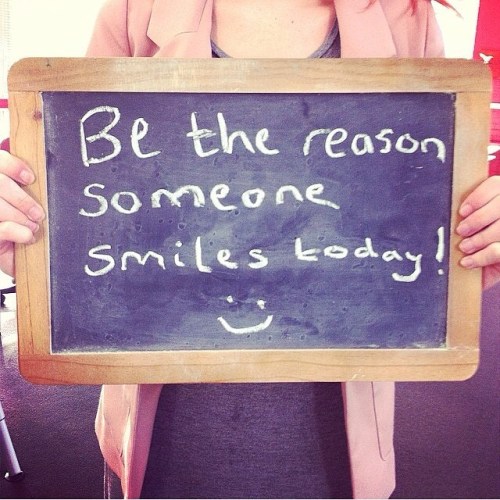
Achieving happiness requires nothing more than practising a few simple disciplines each and every day.

A huge thank you to Dr. Happy for the interview! You can find out more on Dr. Happy here and learn more about the Happiness Institute here.
Question of the day: Have you ever heard of positive psychology? What do you think about it?
 happsters.com